Rangefinders
A hunting rangefinder measures the exact distance to an animal with an invisible laser, so you can choose the right pin or holdover. For bowhunting, pick a model with angle compensation that gives the true horizontal distance on uphill and downhill shots; for rifle hunting past 400 yards, look at ballistic rangefinders and rangefinding binoculars.
Showing 1–12 of 25 results
-
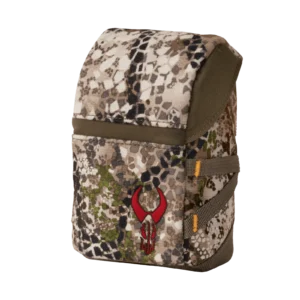
Badlands RF Mag Rangefinder Case
$59.99 Add to cart -
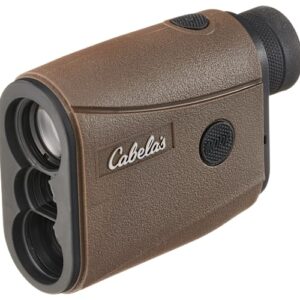
Cabela’s 1500R Laser Rangefinder
$99.98 Add to cart -
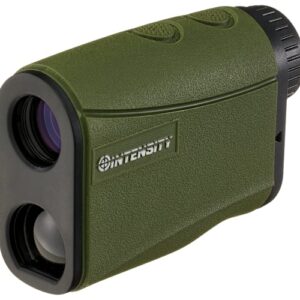
Cabela’s Intensity 2000C Compact Laser Rangefinder
$149.98 Add to cart -
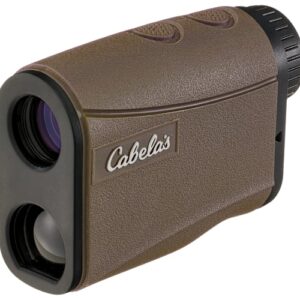
Cabela’s Pro 2400C Laser Rangefinder
$169.98 Add to cart -
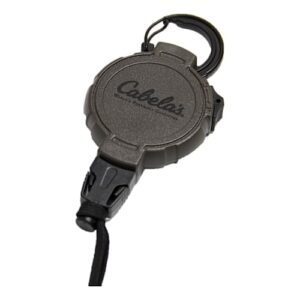
Cabela’s Retractable Rangefinder Tether
$19.99 Add to cart -
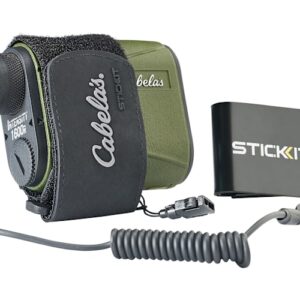
Cabela’s Universal Magnetic Rangefinder Strap
$29.99 Add to cart -
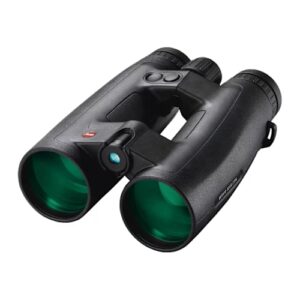
Leica Geovid 10×42 3200.COM Rangefinding Binoculars
$3,099.99 Add to cart -
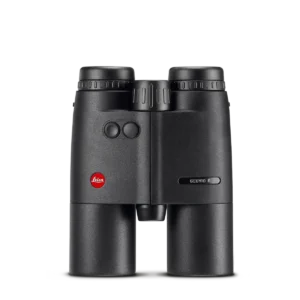
Leica Geovid R 10×42 Rangefinding Binoculars
$1,799.00 Add to cart -
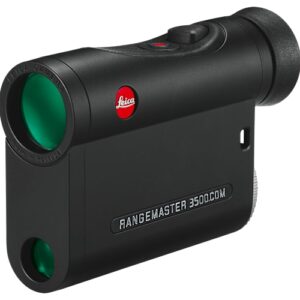
Leica Rangemaster CRF 3500.COM 7×24 Laser Rangefinder
$1,299.00 Add to cart -
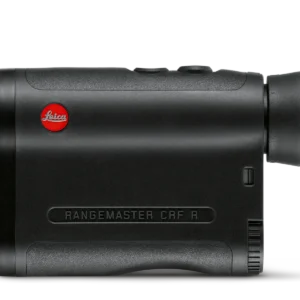
Leica Rangemaster CRF-R 7×24 Laser Rangefinder
$499.00 Add to cart -
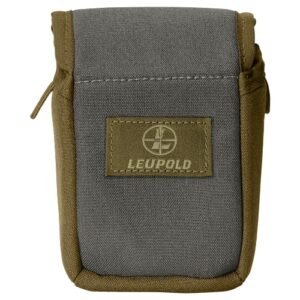
Leupold Pro Guide Rangefinder Pouch
$39.99 Add to cart -
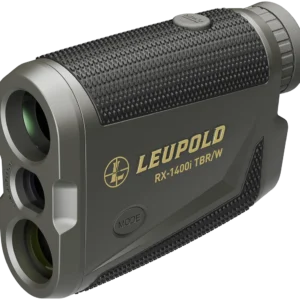
Leupold RX-1400i TBR/W Gen 2 Laser Rangefinder
$199.99 Add to cart
How far can a hunting rangefinder range a deer?
Rangefinders are rated by their maximum range on a reflective target, and they range a deer at roughly one-third to one-half of that figure. A rangefinder rated to 1,400 yards reflective typically ranges a deer to about 500–700 yards, which is more than enough for bowhunting and most rifle hunting.
| Use | Typical shot distance | What to look for |
|---|---|---|
| Bowhunting | 10–60 yards | Angle compensation, fast readings, compact size |
| Whitetail rifle | 50–300 yards | 1,000+ yard reflective rating, last-target mode |
| Western big game | 200–800 yards | Ballistic holdover (MOA/MIL), 3,000+ yard rating |
What is angle compensation?
On a steep uphill or downhill shot, gravity acts on the horizontal distance, not the line-of-sight distance. Angle compensation (Vortex HCD, Leupold True Ballistic Range, SIG AMR) calculates the "shoot-as" distance so your arrow or bullet hits where you aim.
FAQ
Laser rangefinder or rangefinding binoculars?
A handheld laser rangefinder is smaller and cheaper. Rangefinding binoculars combine glassing and ranging in one tool, which saves time and weight for western hunters.
What battery do hunting rangefinders use?
Most use a single CR2 lithium battery; some newer models are USB-rechargeable.
What is first-target versus last-target mode?
First-target mode reads the closest object (useful for open terrain), while last-target mode ignores brush and branches in front of an animal and reads the farthest object.