The best cellular trail cameras for the 2026 rut are the Tactacam Reveal Pro 4.0 for most hunters, the Browning Defender Pro Scout Max HD Solar if you cannot check batteries often, and the Spypoint Flex-Dark if you want a no-glow camera with a free starter plan. All three send photos to your phone over 4G LTE, so you can see which bucks are cruising in daylight without walking in and spreading scent.
The rut is when a cellular camera pays for itself. Bucks change their patterns almost daily from late October through mid-November, and a photo that arrives on your phone at 9:40 a.m. tells you something an SD card checked a week later never will. Below we compare the cellular cameras we stock on the numbers that matter during the rut: trigger speed, detection and flash range, power and the cost of keeping them connected.
Which are the best cellular trail cameras for the rut?
| Camera | Best for | Trigger | Range | Price |
|---|---|---|---|---|
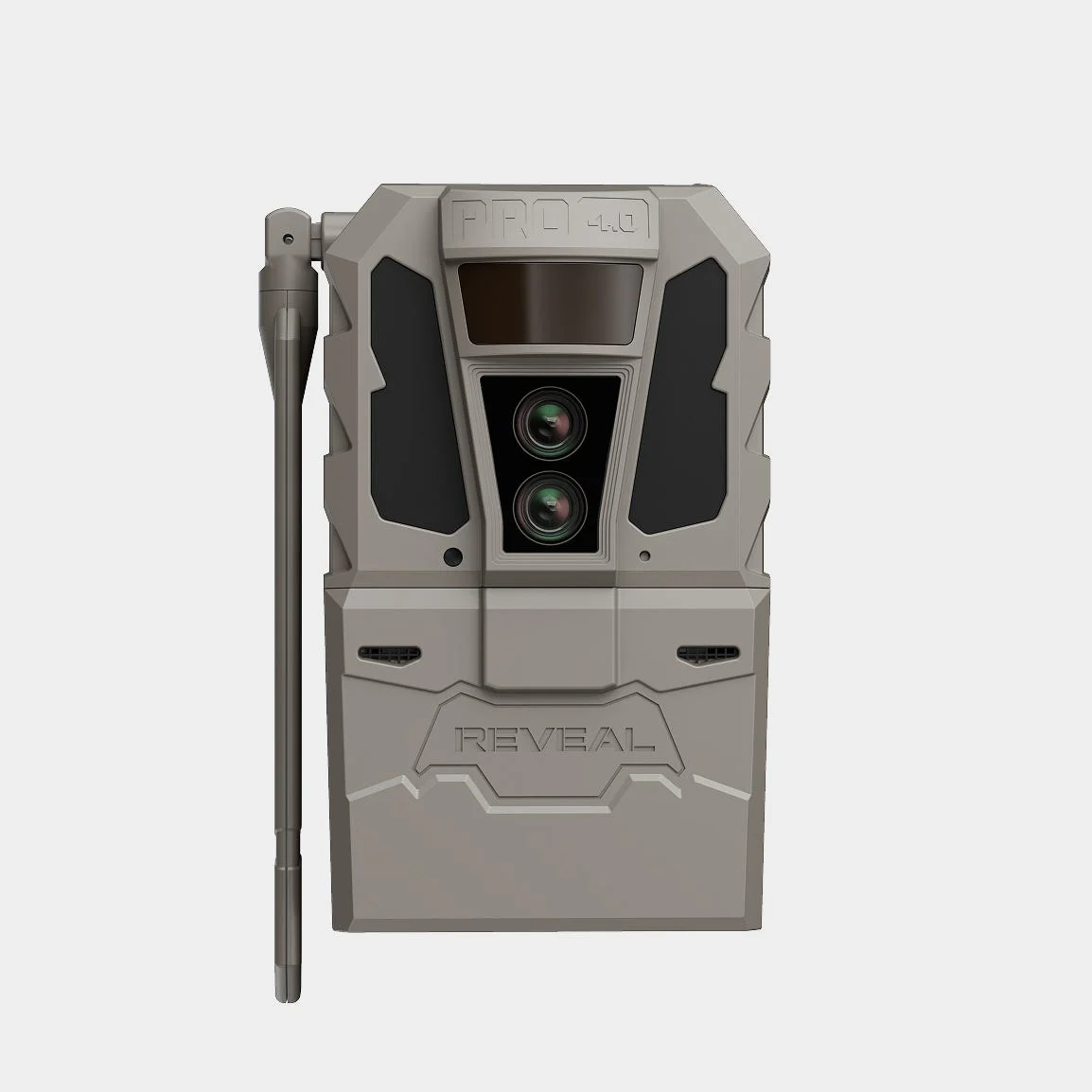
| Tactacam Reveal Pro 4.0 | Best overall | Under 0.5 s | 96 ft low-glow / 80 ft no-glow | From $159.99 |
| Tactacam Reveal X 4.0 | Best value | Under 0.5 s | 96+ ft | From $129.99 |
| Browning Defender Pro Scout Max HD Solar | Remote spots, solar power | 0.2 s | 100 ft | $189.95 |
| Browning Defender Pro Scout Max HD | Fast trigger, video to phone | 0.25 s | 100 ft | $169.95 |
| Spypoint Flex-Dark | No-glow on a budget | 0.3 s | Up to 100 ft | $119.95 |
| Spartan GoLive 3 | Live streaming | Not published | 80 ft detection, 60 ft no-glow | $289.95 |
| Reconyx HyperFire 4K Cellular | Professional reliability | 0.25 s | 100 ft PIR, 150 ft IR | $449.95 |
Trigger speeds and ranges above are manufacturer ratings. Real-world performance varies with temperature, camera height and how directly an animal walks past the sensor.
What makes a good cellular trail camera for the rut?
Four things matter more than megapixels in November:
- Trigger speed. Rutting bucks move fast and often trot through. A trigger of 0.5 seconds or less catches the whole deer instead of a hindquarter. The Browning Defender models (0.2–0.25 s) are among the quickest.
- Night range and flash type. Most rut movement still happens after dark. Low-glow flashes light deer farther away; no-glow flashes are invisible but usually shorter range. On public land or pressured ground, choose no-glow.
- Battery life. Sending photos uses far more power than storing them. Solar panels, lithium packs or 12 V external batteries keep a camera running through the whole rut without a visit.
- Network coverage. A camera is only as good as its signal. Multi-carrier models connect to whichever network is strongest at your stand.
Is the Tactacam Reveal Pro 4.0 the best all-round choice?
For most hunters, yes. The Reveal Pro 4.0 uses dual image sensors for sharper day and night photos, has a side LCD screen that makes aiming at a scrape easy, and lets you switch between low-glow (96 ft) and no-glow (80 ft) flash. The Reveal app is simple, and Tactacam’s FlexPack rechargeable batteries cut down on AA costs. If you want the same app and network for less, the Reveal X 4.0 drops the screen and dual sensors but keeps the sub-0.5-second trigger and 96+ ft range.
Which camera is best if you cannot check batteries?
The Browning Defender Pro Scout Max HD Solar builds the solar panel into the camera body. With a few hours of open sky a day it can keep running for the whole season, and it still accepts 8 AA batteries as backup. Its 0.2-second trigger and 100-ft detection and IR range are excellent for field edges and food plots. Mount it where the panel sees the sky, such as the edge of a field rather than deep in a thicket.
What is the best budget no-glow cellular camera?
The Spypoint Flex-Dark is invisible at night, connects automatically to the strongest carrier with dual SIMs, and includes a free 100-photo monthly plan. Buck Tracker AI tags photos by species so you can find every buck quickly after a busy night. It is a strong choice for public land, where a visible red glow can draw attention from other hunters as well as deer.
Do you need live video during the rut?
Live streaming is useful for one thing above all: checking a stand before you walk in. The Spartan GoLive 3 lets you open the app and watch a live feed, records true 8 MP photos and 60-second video, and covers a wide 96° field of view. If a buck is already in the plot at 3:30 p.m., you can choose a different entry route instead of blowing him out.
How much does it cost to run a cellular trail camera?
Data plans are sold by the camera brand, not your phone carrier. Most brands offer a low-cost photo plan (often in the $5–$15 per month range) and an unlimited plan for more. During the rut, when cameras fire constantly, an unlimited plan for one or two key cameras is usually worth it. Check each brand’s current pricing before you buy, because plans change frequently. Our guide to cellular trail cameras explains the options in more detail.
Where should you put a cellular camera during the rut?
- Active scrapes under licking branches near cover. Mount the camera 10–15 ft away, angled across the scrape.
- Pinch points and funnels between bedding areas, where cruising bucks travel in daylight.
- Doe bedding edges during the seeking and chasing phase.
- Food plot entries rather than the middle of the plot, so the camera covers deer arriving in shooting light.
Mount at 3–4 ft, face north or south to avoid sun glare at dawn and dusk, and trim any branches that will move in the wind and trigger false images.
Are cellular trail cameras legal everywhere?
No. A few states restrict or ban the use of cellular (real-time) trail cameras for hunting, especially on public land or during hunting season, and rules can change from year to year. Always check your state wildlife agency’s current regulations before you hang a cellular camera.
Which cellular trail camera should you buy?
- Best overall: Tactacam Reveal Pro 4.0
- Best value: Tactacam Reveal X 4.0
- Best for remote spots: Browning Defender Pro Scout Max HD Solar
- Best no-glow budget pick: Spypoint Flex-Dark
- Best for live viewing: Spartan GoLive 3
- Best long-term investment: Reconyx HyperFire 4K Covert IR Cellular, with a 5-year warranty
Specifications in this guide come from the manufacturers’ official websites: Tactacam, Browning, Spypoint, Spartan, Reconyx. Prices are current at the time of writing; check each product page for today’s price.
Frequently asked questions
How many cellular trail cameras do I need for the rut?
One or two cellular cameras on your most important spots, such as a primary scrape and a funnel, plus cheaper SD card cameras elsewhere, is a cost-effective setup for most properties.
Do cellular trail cameras work without cell service?
They keep recording, but they cannot send photos until they have signal. Check coverage at your camera site before buying, or choose a multi-carrier model.
How long do batteries last in a cellular camera during the rut?
Heavy rut activity can drain AA batteries in a few weeks. Solar panels, lithium packs or 12 V external batteries are the best way to keep a cellular camera running through November.
Should I choose no-glow or low-glow for the rut?
Choose no-glow on public land or where mature bucks are pressured; choose low-glow on private land and open food plots where night range matters more.